

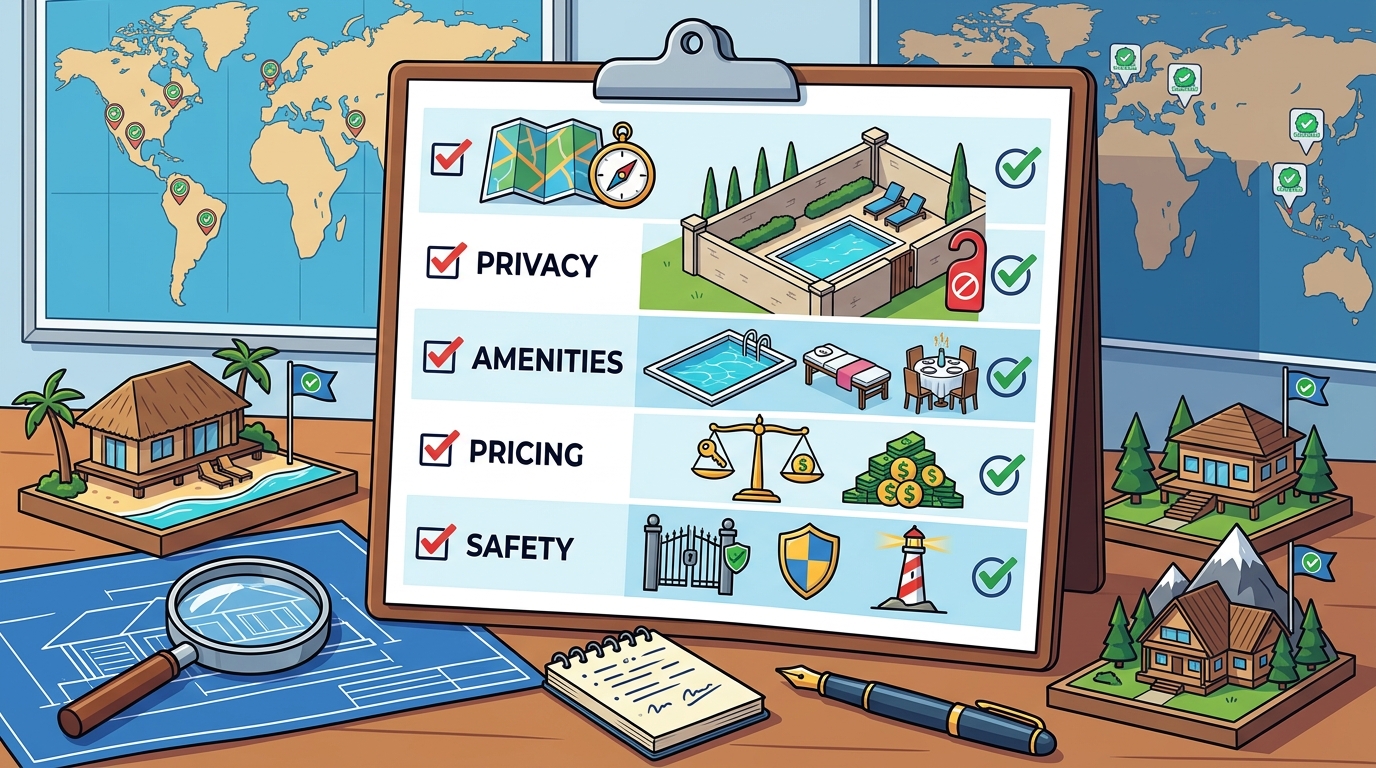
Choosing a private resort requires evaluating location, privacy, amenities, pricing, and safety. Only5Star curates luxury stays based on these five critical factors to ensure a seamless experience. This guide details how to assess each element effectively. It helps you select a property that aligns with your specific travel needs and expectations.
Location and Accessibility
Location dictates the overall rhythm of your stay. A remote island offers seclusion but requires complex logistics. A coastal resort provides easy access to dining and culture. You must balance the desire for isolation with the practicality of arrival. Consider the flight time, transfer methods, and local infrastructure before booking.
Transfer Logistics
Transfers can significantly impact your first and last impressions. Seaplane transfers in the Maldives are iconic but weather-dependent. Speedboat transfers in the Caribbean are faster but can be rough in high seas. Verify the exact transfer duration and cost. Ensure the resort handles all ground transportation seamlessly.
Proximity to Amenities
Some travelers prefer total isolation, while others want nearby dining options. Check if the resort is on a private island or part of a larger atoll. If you plan to explore off-property, ensure there are safe and convenient ways to do so. The distance to the nearest airport or town should match your tolerance for travel friction.
Privacy and Exclusivity
Privacy is the primary reason many travelers choose private resorts. It is the degree of seclusion and personal space offered to guests. Exclusivity refers to the limited number of guests and the level of personalized service. These two factors determine how restorative your stay will feel. A property with high exclusivity often provides a more intimate and tailored experience.
Guest Density
Check the total number of villas or rooms on the property. A resort with 20 villas feels very different from one with 100. Lower guest density ensures quieter pools, spas, and dining areas. It also means staff can anticipate your needs more accurately. Look for properties that limit occupancy to maintain a calm atmosphere.
Room Configuration
Private villas with direct water access offer the highest level of privacy. Beachfront villas provide a middle ground. Overwater bungalows offer unique views but may have less ground space. Consider the layout of the villa and its distance from other units. Ensure the property offers options that match your desired level of seclusion.
Amenities and Facilities
Amenities define the daily experience at a resort. They are the services and facilities provided to enhance guest comfort and enjoyment. From dining options to wellness programs, these elements shape the quality of your stay. Evaluate which amenities are essential for your trip and which are nice to have. Prioritize quality over quantity when assessing facilities.
Dining and Culinary Offerings
Food is a central part of luxury travel. Check the number of restaurants and their culinary focus. Inclusive resorts often offer multiple dining venues with varied cuisines. All-inclusive plans should specify which restaurants and bars are covered. Look for properties with strong local sourcing and skilled chefs. Dietary requirements should be easily accommodated.
Wellness and Recreation
Spa facilities, fitness centers, and water sports are key amenities. Verify the range of treatments available at the spa. Check if the gym is open 24 hours and what equipment is provided. Water sports should be included in the base rate or clearly priced. Ensure the facilities are well-maintained and staffed by qualified professionals.
Pricing and Inclusions
Pricing transparency is crucial for budgeting a luxury trip. The total cost includes room rates, taxes, service charges, and transfers. Inclusions refer to what is covered by the base rate, such as meals, drinks, and activities. Understanding these components helps avoid unexpected expenses. Compare the total cost of stay, not just the nightly rate.
Understanding Rate Structures
Resorts often offer different rate plans, such as room-only, half-board, or all-inclusive. Each plan has different inclusions and exclusions. Read the fine print to understand what is and is not covered. Check if taxes and service charges are included in the quoted price. Clarify the cancellation policy and any non-refundable fees.
Value Assessment
Value is determined by the balance between cost and experience. A higher price should correspond to superior service, design, and amenities. Compare properties with similar inclusions to assess value. Consider the cost of transfers and optional activities. A slightly higher nightly rate may be justified by inclusive dining and premium service.
Safety and Security
Safety and security are non-negotiable aspects of any travel decision. They encompass physical safety, health protocols, and emergency preparedness. A reputable resort will have robust security measures and clear safety guidelines. Verify the property's approach to guest safety and emergency response. Ensure the staff is trained in first aid and emergency procedures.
Health and Hygiene Protocols
Check the resort's health and hygiene standards. Look for properties that follow recognized international guidelines. Verify the quality of the water and food safety practices. Ensure the spa and pool facilities are maintained to high standards. A commitment to cleanliness and health is a sign of a well-managed property.
Emergency Preparedness
Ask about the resort's emergency response plan. Check if there is an on-site medical facility or a nearby hospital. Verify the availability of 24-hour security and concierge services. Ensure the staff is trained in emergency evacuation and first aid. A well-prepared resort provides peace of mind during your stay.
Key Takeaways
- Location and transfer logistics significantly impact the overall travel experience.
- Privacy and exclusivity are determined by guest density and room configuration.
- Amenities should align with your personal preferences and travel goals.
- Understand the full cost of stay, including taxes, fees, and transfers.
- Safety and security protocols are essential for a worry-free vacation.
- Compare properties based on inclusions, not just nightly rates.
- Verify the resort's reputation for service and guest satisfaction.
- Use curated guides to simplify the decision-making process.
Frequently Asked Questions
What is the most important factor when choosing a private resort?
Privacy is often the most important factor for travelers seeking a private resort. It ensures a restorative and personalized experience. However, location and amenities also play a significant role in overall satisfaction.
How do I determine if a resort is truly private?
Check the total number of villas or rooms and the guest density. A smaller property with limited occupancy offers more privacy. Look for villas with direct water access or secluded beachfront locations.
What should be included in an all-inclusive resort rate?
An all-inclusive rate typically covers meals, drinks, and some activities. Verify which restaurants and bars are included. Check if transfers, taxes, and service charges are part of the base rate.
How far in advance should I book a private resort?
It is recommended to book 6 to 12 months in advance for peak seasons. Popular private resorts fill up quickly, especially during holiday periods. Early booking often secures better rates and room availability.
Are private resorts suitable for families?
Many private resorts welcome families, but some are adults-only. Check the resort's age policy before booking. Look for properties with kids' clubs and family-friendly amenities if traveling with children.
How can I verify a resort's safety and security measures?
Review the resort's official website for safety guidelines and health protocols. Read recent guest reviews for insights into security and emergency preparedness. Contact the resort directly to ask about their safety practices.